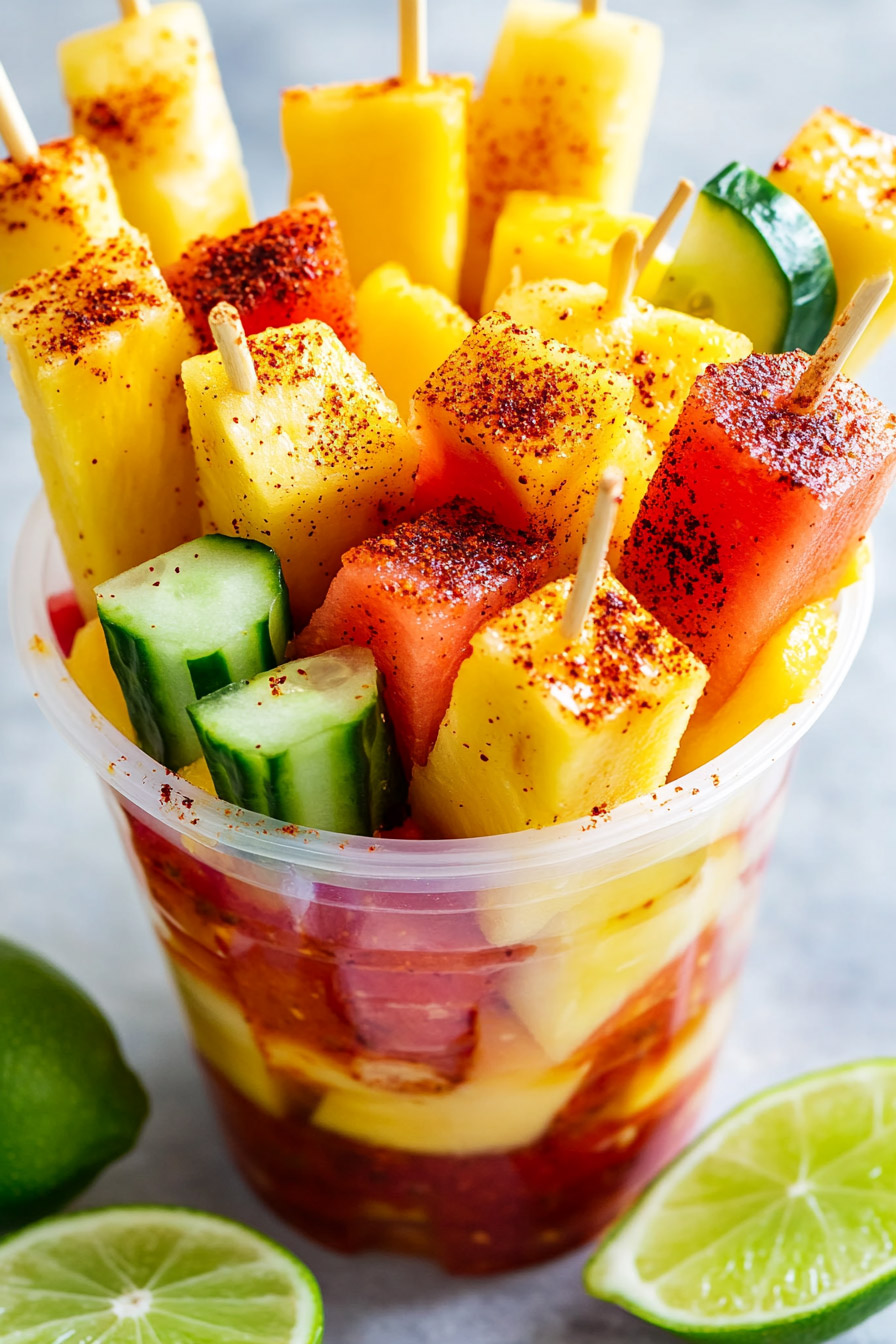
Your Essential Guide to Making Mexican Fruit Cups
Imagine a vibrant explosion of sweet, tangy, salty, and spicy flavors dancing on your palate, all wrapped up in a refreshing, healthy package. This is the magic of Mexican fruit cups, a beloved street food and snack that has captured hearts far beyond Mexico's borders. More than just a simple fruit salad, these colorful concoctions are a testament to the Mexican culinary philosophy of balancing contrasting tastes to create something truly unforgettable. Whether you're a seasoned foodie or just discovering the joy of unique flavor profiles, learning to make your own authentic Mexican fruit cups at home is a rewarding experience that promises a burst of sunshine in every bite.
This comprehensive guide will walk you through everything you need to know, from selecting the freshest ingredients to mastering the art of the perfect chili-lime seasoning. Get ready to transform ordinary fruit into an extraordinary culinary delight that’s perfect for hot summer days, parties, or just a healthy, exciting snack.
What Makes Mexican Fruit Cups So Special?
At first glance, a Mexican fruit cup might seem like any other fruit salad. However, what sets it apart is a thoughtful combination of textures and, most importantly, the iconic flavor profile that balances the natural sweetness of fruit with a punchy kick of lime, a savory sprinkle of salt, and a tantalizing warmth from chili powder. It’s this intricate interplay of tastes that elevates it from simple refreshment to a truly captivating treat.
Unlike many traditional fruit salads that focus solely on sweetness, Mexican fruit cups embrace a broader spectrum of flavors. The use of jicama, for instance, adds a delightful crunch and a subtly sweet, earthy note that complements the juicy mango or watermelon beautifully. Cucumbers offer a cooling contrast, while pineapple brings a vibrant tropical tang. This thoughtful selection and combination of ingredients contribute to a depth of flavor and an exciting textural experience that distinguishes it. For a deeper dive into what makes these different from their salad counterparts, explore our article on Mexican Fruit Cups vs. Fruit Salad: What's Unique?
A Symphony of Flavors and Textures
- Sweetness: From mango, watermelon, and pineapple.
- Tanginess: Primarily from fresh lime juice and sometimes tart fruits like green mango.
- Saltiness: A crucial component that enhances all other flavors.
- Spiciness: The signature kick from chili-lime seasoning (like Tajín) or liquid chamoy.
- Crunch: Provided by jicama and sometimes cucumber.
- Juiciness: Abundant in most fruits used, creating a hydrating snack.
The Cultural Significance
In Mexico, fruit cups are more than just a snack; they're a cultural staple, often sold by street vendors (fruteros) from colorful carts. They represent accessible, fresh, and flavorful eating that’s enjoyed by people of all ages. The act of customizing your fruit cup with various toppings and spices is part of the experience, allowing for personal preference and a sense of culinary adventure.
Choosing the Perfect Fruits for Your Mexican Fruit Cup
The foundation of any great Mexican fruit cup is, naturally, the fruit itself. The key is to select a variety of fresh, ripe fruits that offer a good balance of flavors, colors, and textures. While there are traditional choices, don't be afraid to experiment based on seasonality and your personal preferences.
Essential Fruit Choices
- Watermelon: Sweet, juicy, and incredibly refreshing. A quintessential base.
- Mango: Ripe mango adds a rich, tropical sweetness and a soft, yielding texture. Green mango can provide a tart counterpoint.
- Jicama: A root vegetable with a crisp, watery texture and a subtly sweet, nutty flavor. It adds an essential crunch.
- Cucumber: Offers a cool, refreshing, and slightly bitter note that cleanses the palate.
- Pineapple: Tangy, sweet, and firm, pineapple is a vibrant addition.
- Oranges: Juicy and sweet-tart, oranges provide a bright citrusy element.
- Cantaloupe/Honeydew: Milder melons can add more sweetness and moisture.
Tips for Freshness and Ripeness
- Smell: Ripe fruits like mangoes and melons should have a fragrant aroma at the stem end.
- Feel: Fruits should feel heavy for their size. Mangoes should have a slight give when gently squeezed. Jicama should be firm and free of soft spots.
- Appearance: Look for vibrant colors and avoid bruising or discoloration.
- Seasonality: Opt for fruits that are in season for the best flavor and value.
The Art of the Toppings: Bringing the Flavor Explosion
While the fruit provides the canvas, it's the toppings that paint the masterpiece of a Mexican fruit cup. These bold additions are what truly transform a simple mix of fruit into an iconic Mexican treat, delivering that signature sweet-sour-salty-spicy punch. Mastering these toppings is key to achieving an authentic flavor profile. For an even deeper dive into how these ingredients elevate the experience, make sure to check out The Secret to Refreshing Mexican Fruit Cup Flavors.
The Chili-Lime Dynamic Duo
- Lime Juice: Freshly squeezed lime juice is non-negotiable. It brightens all the flavors, adds a tangy zest, and perfectly complements the chili.
- Tajín Clásico Seasoning: This famous Mexican seasoning is a blend of dried, ground mild red chiles, sea salt, and dehydrated lime juice. It's the quintessential topping, offering a balanced hit of savory, tangy, and mildly spicy flavor without being overwhelmingly hot.
- Chamoy: A tangy, sweet, salty, and mildly spicy condiment made from pickled fruit (often apricots, plums, or mangoes) and chiles. It has a syrup-like consistency and adds a unique depth of flavor and a beautiful glaze to the fruit. There are various brands and spice levels, so try a few to find your favorite.
Beyond the Basics: Other Exciting Toppings
- Salt: A simple sprinkle of sea salt can remarkably enhance the sweetness of the fruit.
- Hot Sauce: For those who crave more heat, a dash of a mild Mexican hot sauce like Valentina or Cholula can be added.
- Chili Powder: Plain chili powder (like ancho or arbol) can be used if you prefer a spicier, less tangy kick than Tajín.
- Tamarind Candies (Pulparindo): These sweet, sour, and spicy tamarind candies, often rolled into sticks or small balls, can be chopped and sprinkled over the fruit for an extra layer of complexity and chewiness.
- Peanuts or Pepitas: For a savory crunch, a sprinkle of roasted peanuts or pepitas (pumpkin seeds) can be a delightful addition.
Step-by-Step Guide to Crafting Your Own Mexican Fruit Cups
Making your own Mexican fruit cups is surprisingly simple and incredibly rewarding. Follow these steps to create a refreshing and flavorful snack that will transport your taste buds straight to the streets of Mexico.
- Gather Your Fruits: Select a variety of 3-5 fruits from the essential list (watermelon, mango, jicama, cucumber, pineapple, orange). Aim for about 1/2 to 1 cup of each per serving, depending on your desired portion size.
- Wash and Peel: Thoroughly wash all fruits. Peel jicama, pineapple, mango, and cucumber. For watermelon and oranges, peeling is not typically necessary if you're dicing them.
- Dice the Fruits: Cut all fruits into bite-sized pieces. Uniformity isn't strictly necessary, but aim for pieces that are easy to eat with a spoon or fork. For jicama and cucumber, consider cutting them into sticks or wedges for textural variety.
- Combine (or Layer): Gently combine the diced fruits in a large bowl. Alternatively, for a more visually appealing presentation, you can layer different fruits in individual cups.
- Chill: For the best flavor and refreshment, chill the prepared fruit mixture in the refrigerator for at least 30 minutes. This allows the flavors to meld and ensures a crisp, cool treat.
- Serve and Garnish: Spoon the chilled fruit into individual cups or bowls. Now comes the fun part!
- Squeeze fresh lime juice generously over the fruit.
- Sprinkle a good amount of Tajín Clásico seasoning. Start with a light dusting and add more to taste.
- Drizzle with chamoy sauce, if using, creating attractive patterns over the fruit.
- Add any additional toppings like salt, hot sauce, or chopped tamarind candies.
- Enjoy Immediately: Mexican fruit cups are best enjoyed fresh, as the lime and chili can tenderize some fruits over time.
Preparation and Presentation Tips
- Keep it Cold: Serve your fruit cups chilled. A cooler can help maintain freshness at picnics or outdoor gatherings.
- Customization Station: For parties, consider setting up a "fruit cup bar" where guests can choose their fruits and toppings.
- Portion Control: Glass or clear plastic cups make for an attractive presentation, showcasing the vibrant colors of the fruit.
- Pre-Cut & Store: You can pre-cut the fruits a day in advance and store them separately in airtight containers in the refrigerator. Assemble and add toppings just before serving.
Customization Ideas for Every Palate
While the classic combination is fantastic, feel free to adapt your Mexican fruit cup to suit your preferences:
- Sweeter Version: Add more mango or a drizzle of agave nectar (though not traditional).
- Spicier Kick: Increase the amount of Tajín or chamoy, or add a spicier hot sauce.
- Herbal Twist: A sprinkle of fresh mint or cilantro can add an unexpected aromatic note.
- Berry Boost: While not classic, berries like strawberries or blueberries can be a delicious addition.
Conclusion
From the bustling streets of Mexico to your kitchen, Mexican fruit cups are a testament to the simple joy of fresh ingredients elevated by bold, balanced flavors. This guide has equipped you with the knowledge to select the perfect fruits, master the art of the chili-lime toppings, and craft your own authentic versions of this beloved snack. More than just a recipe, it's an invitation to explore a vibrant culinary tradition that celebrates the harmony of sweet, sour, salty, and spicy. So, gather your ingredients, embrace the spirit of experimentation, and get ready to indulge in the refreshing, exhilarating experience of homemade Mexican fruit cups – a treat that's guaranteed to brighten any day.
