Mexican Fruit Cups vs. Fruit Salad: What's Unique?
When you think of a refreshing, healthy snack, a bowl of colorful fruit often comes to mind. But while the concept of cut fruit is universal, the execution and experience can vary dramatically. Two popular contenders in this arena are the familiar fruit salad and the vibrant, often surprising, Mexican fruit cups. At first glance, they might seem similar – both involve chopped fruit – but delve a little deeper, and you'll discover distinct differences that set them apart, offering entirely unique culinary adventures. Understanding these nuances is key to appreciating why Mexican fruit cups have garnered such a devoted following and why they stand as more than just "fruit salad with a twist."
The Quintessential Mexican Fruit Cups: A Fiesta for Your Palate
Imagine a medley of crisp, sweet, and tangy fruits, meticulously cut and arranged, then generously seasoned with a specific blend that awakens every taste bud. This is the essence of authentic
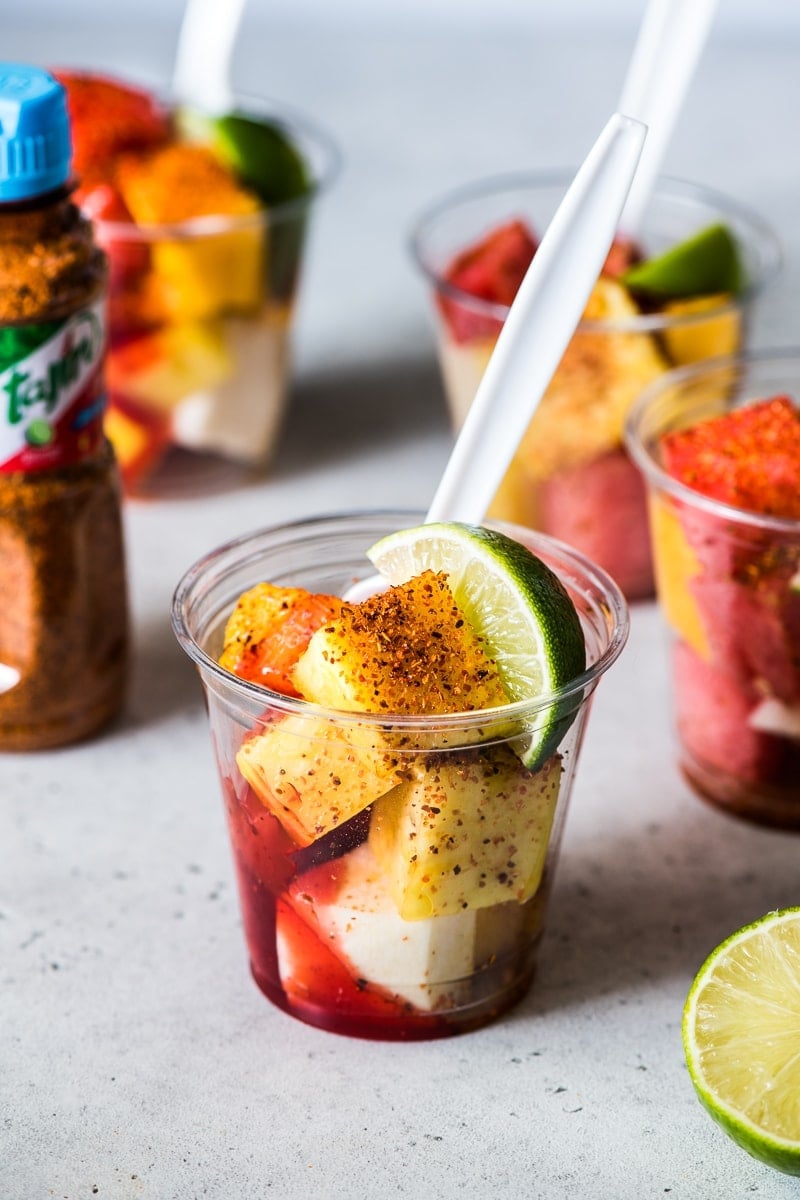
mexican fruit cups. Originating from the bustling streets and vibrant markets of Mexico, these cups are more than just a snack; they're a cultural experience. Typically, you'll find a robust selection of fruits that hold up well to seasoning and offer varying textures. Common choices include jícama, cucumber, watermelon, mango, pineapple, papaya, and oranges.
What truly elevates
mexican fruit cups beyond a standard fruit salad is the signature dressing. This isn't a sweet syrup or a creamy yogurt. Instead, it's a bold combination of freshly squeezed lime juice, a sprinkle of salt, and a generous dusting of chili powder – often Tajín, a popular brand known for its tangy, salty, and mildly spicy profile. The acidity of the lime enhances the natural sweetness of the fruit while adding a refreshing zest. The salt balances the flavors, and the chili powder introduces a distinctive kick, creating a complex interplay of sweet, sour, salty, and spicy that is utterly addictive. This unique flavor profile is what gives
Mexican fruit cups their unparalleled refreshing taste.
The preparation is also part of their charm. Fruits are often cut into spears, cubes, or wedges, making them easy to eat on the go. They are typically served in clear plastic cups, allowing the vibrant colors to shine through, often with a fork or a stick for convenience. This street-food sensibility adds to their appeal, making them a perfect pick-me-up on a hot day or a delightful accompaniment to any meal.
The Familiar Charm of a Classic Fruit Salad
On the other side of the spectrum is the classic fruit salad – a staple at picnics, brunches, and family gatherings across many Western cultures. A fruit salad is, at its heart, a versatile mix of various fruits, typically chosen for their sweetness, softness, and complementary colors. There's no strict rule for what goes into a fruit salad, allowing for endless customization based on seasonal availability and personal preference.
Common ingredients often include berries (strawberries, blueberries, raspberries), grapes, melon (cantaloupe, honeydew), kiwi, bananas, and often citrus segments. The fruits are usually cut into bite-sized pieces and gently tossed together. While some fruit salads might incorporate a light dressing – perhaps a honey-lime glaze, a touch of mint, or even a creamy yogurt – many are simply enjoyed for the natural flavors and juices of the fruits themselves. The emphasis is on natural sweetness, freshness, and often a softer, more uniform texture.
Preparation is generally simple: chop, mix, and serve in a large bowl. Presentation aims for an appealing array of colors, often with garnishes like fresh mint leaves or a sprinkle of shredded coconut. A fruit salad is designed to be a universally pleasing, refreshing, and naturally sweet option that complements a wide range of meals or stands alone as a light dessert.
The Defining Differences: It's All in the Details
While both fruit preparations offer a healthy and refreshing option, their distinct approaches to flavor, ingredients, and cultural context truly differentiate them.
Flavor Profile: Sweet vs. Tangy & Spicy
The most significant divergence lies in their taste. A traditional fruit salad primarily focuses on highlighting the natural sweetness of the fruits. Any added dressing usually aims to enhance this sweetness or add a subtle aromatic note without overpowering the delicate fruit flavors. The experience is typically smooth, sweet, and mellow.
In contrast,
mexican fruit cups are a symphony of bold flavors. The combination of lime, salt, and chili powder introduces an exhilarating tanginess, a savory counterpoint, and a piquant warmth that transforms the familiar taste of fruit. It's a taste adventure that stimulates the palate with every bite, delivering a more dynamic and less predictable flavor journey. This makes them incredibly refreshing and uniquely satisfying, especially in warm climates.
Ingredient Selection: Bold & Bright vs. Diverse & Delicate
The choice of fruit also plays a crucial role. Fruit salads often feature a wider array of softer, juicier fruits like berries and bananas, which are chosen for their delicate textures and inherent sweetness. While these can be found in some Mexican fruit cups, the core selection for
mexican fruit cups often leans towards firmer, crisper fruits and vegetables that can stand up to the strong seasonings. Jícama and cucumber, for example, provide a refreshing crunch and a more neutral base that perfectly carries the lime and chili. These ingredients are less common in standard fruit salads, highlighting a different textural philosophy.
Preparation & Presentation: Street Food Style vs. Bowl & Spoon
The way these dishes are prepared and presented further emphasizes their unique identities. Fruit salad is typically made in a large batch, served in a communal bowl, and enjoyed with a spoon. It's often a side dish or a light dessert, meant for a shared experience at a table.
Mexican fruit cups, however, are individualistic. They are often prepared to order, or in smaller, single-serving portions in a cup, ready for immediate consumption. This grab-and-go format is reminiscent of street food culture, designed for convenience and portability. The intentional cutting of fruits into spears or larger chunks also reflects this, making them easy to handle without making a mess, a practical consideration for a snack enjoyed while walking or exploring.
Cultural Context & Experience: A Culinary Journey vs. Everyday Refreshment
Finally, the cultural context imbues each with a different "feel." A fruit salad is often seen as a wholesome, everyday refreshment, a healthy addition to any meal, or a simple dessert. It's comforting and familiar.
Mexican fruit cups, on the other hand, offer a taste of Mexican street food culture. Eating them can feel like a mini-adventure, an exotic culinary detour. The bold flavors and unique presentation evoke images of vibrant markets and sunny streets, providing an experience that goes beyond mere sustenance. They are an exploration of a distinct flavor profile deeply rooted in Mexican culinary traditions.
Why Choose Mexican Fruit Cups? The Unique Appeal
The allure of
mexican fruit cups lies in their ability to transform simple fruits into something extraordinary. They offer an invigorating alternative to purely sweet fruit dishes, providing a complexity that excites the palate. If you're looking for a snack that is:
* **Uniquely Refreshing:** The blend of lime, salt, and chili delivers an unparalleled burst of freshness, cutting through heat and fatigue.
* **Flavor-Packed:** It's a symphony of sweet, sour, salty, and spicy, far from a monotonous flavor profile.
* **Texturally Diverse:** The inclusion of crispier fruits and vegetables like jícama and cucumber adds an appealing crunch often missing in softer fruit salads.
* **Culturally Rich:** Eating a Mexican fruit cup is an experience that connects you to a vibrant culinary tradition.
* **Versatile:** While fantastic on their own, they can also complement savory dishes or be a lively start to a meal.
These factors make
mexican fruit cups not just a snack, but a memorable culinary statement. For those interested in mastering this delicious creation, there's a wealth of information available. You can delve into
your essential guide to making Mexican fruit cups to truly perfect your own version.
Tips for Crafting Your Own: Elevating Your Fruit Experience
Whether you lean towards the classic fruit salad or the adventurous
mexican fruit cups, a few tips can elevate your creation.
For a classic fruit salad:
- Choose seasonal fruits for the best flavor.
- Mix fruits with varying textures and colors for visual appeal.
- Add a light dressing like honey-lime or a sprinkle of fresh mint for extra freshness.
- Avoid over-mixing delicate fruits to prevent bruising.
For an authentic Mexican fruit cup experience:
- Focus on Firm Fruits: Watermelon, mango, jícama, cucumber, pineapple, and oranges are excellent choices.
- Fresh Lime is Non-Negotiable: Bottled lime juice won't deliver the same vibrant tang.
- Don't Skip the Salt: A pinch of fine sea salt enhances all the other flavors.
- Embrace the Chili: Tajín is the go-to, but you can experiment with other mild chili powders if you prefer a different spice level.
- Cut Boldly: Long spears, thick slices, or generous cubes are characteristic and make for easier eating.
- Serve Immediately: For the best crispness and flavor, especially with cucumber and jícama.
Conclusion
In the delightful world of chopped fruit, both the classic fruit salad and the distinctive
mexican fruit cups hold their own unique charm. While fruit salad offers a universally loved, sweet, and refreshing medley, Mexican fruit cups present a vibrant, tangy, and spicy adventure that tantalizes the taste buds and offers a unique cultural experience. Their bold flavors, specific ingredient choices, and street-food presentation truly set them apart, making them much more than just a variation of fruit salad. So, the next time you're craving a fruit-based treat, consider whether you're in the mood for familiar sweetness or an exhilarating journey into the heart of Mexican culinary zest.